10 Things I’ve Learned About Making Friends.
I’m beginning to learn the art of socializing and making friends. At my age, that’s a bit odd.
But I’ve never been very good at it. I wasn’t properly socialized as a child; I moved around A LOT (I’ve been to 7 different schools in two different countries), had many negative friendship encounters and experienced severe social isolation. To be fair, I was an absolute menace of a child, but more on that another time. Growing up, friendships came more naturally, but as an adult, it’s a whole new ball game. Who would’ve thought it would be this hard?!
Good friends are hard to come by. After trying for the last few years with no success, I am starting to feel incredibly defeated. I’ll admit, I needed to work on myself. I was too selfish, self-righteous, judgemental, blunt, arrogant, and empathically exhausted. I don’t know what caused that, but the hows and whys don’t matter. If I wanted high-quality friendships, I knew I needed to give myself a personality transplant, ASAP.
Friendships or any kind of relationship should always be mutually beneficial. As selfish as that is, we wouldn’t be friends with people who didn’t make us feel good or provide us with some kind of value. If you’re not providing anything positive in any relationship, people will not want to be around you. It’s as simple as that. I realized that I probably wasn’t providing as much value as I could’ve been. This needed to change.
Here’s what I’ve learned so far:
1. Focus on prosocial behaviours.
Do things for people. Make people smile. Give compliments, offer to help them with something, show that you’re paying attention to the little details, etc. Just focus on making people feel good and special. They’ll associate that feeling of goodness with you and will always feel good around you.
2. Let people talk.
People feel good about themselves when they talk about themselves. Let them talk, ask lots of questions and show genuine interest. Don’t talk about yourself unless you’re asked.
3. Don’t judge or criticize.
Unconditional positive regard is crucial. Accept people as the flawed human beings they are (as we all are), and be a shoulder to lean on first and foremost. Then, when they’re ready, you can be there to offer your advice and guidance.
4. Never say “I told you so”.
Let people make mistakes. Push your ego aside. Just be there for them, listen to them, and they’ll be grateful for it. Patience is a virtue.
5. Have more empathy.
Empathy goes a long way. Don’t try to fix the problem and offer solutions. Just sit with them and their feelings, and listen. Shut up for a second, and listen. That’s all you need to do. When you’re a source of emotional support, you’ll already be making a positive impact on their life.
6. You can’t help those who don’t want to change.
Stop trying. Leave these people behind; they will only drag you down. In time, they will realize. But that’s not your problem to deal with.
7. Don’t get political.
I learnt this the hard way. You can have differing beliefs, but you don’t have to engage in conversation about them. Just enjoy their presence in your life and how they make you feel. You can enjoy a person without getting into all of that. It’s a very touchy subject for people, especially if your political beliefs are villainized, then people will make assumptions about you. Be especially careful around the ‘woke’ ones, because instead of a productive discussion, they will label and diagnose you if you merely disagree with them.
8. Don’t get vulnerable too quickly, and don’t overshare.
Believe it or not, this does indeed scare people off. When you get too comfortable too quickly, it adds pressure and forcefully moulds the potential relationship into what you want it to be. That’s coming from a selfish place. Take it slow, and open up slowly over time as you build trust.
9. Don’t be too eager.
Again, this will put people off. The goal is to attract, not chase. This is something I struggled with, and still do a little bit, because I really wish I had a solid friendship, and it comes across a bit desperate sometimes. Relax. Take it slow. There’s no rush. If this doesn’t work out, there‘ll be plenty more opportunities.
10. Don’t get attached.
Even if you establish a connection with somebody, don’t get attached. Never get attached. Attachment is the root of all suffering, and when you attach, you are setting yourself up for disappointment. Enjoy your experience of this person without latching onto them emotionally or cognitively. They’re not yours, and they have the freedom to leave at any moment. And that’s okay.
I still struggle and feel anxious when talking to people, but I finally feel more in control of my interactions now. We have more control than we realize, and we hold the power to direct our encounters with others.
Once I started to view people as participants of this messy human experience, the empathy came naturally. I’m no longer judgemental or have a desire to change people. I can just be there and accept the person in front of me for all that they are.
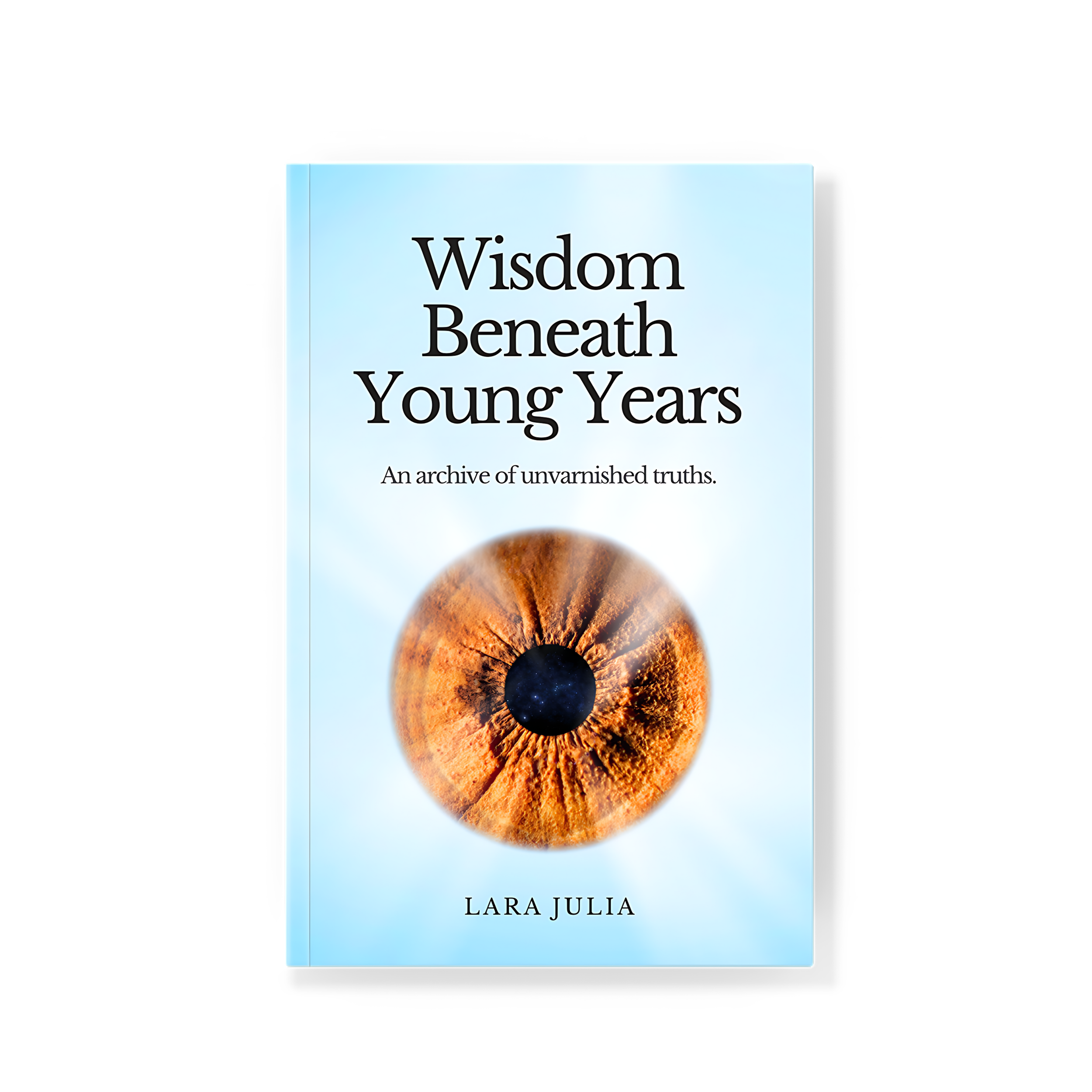
PAPERBACK AVAILABLE ON AMAZON (USE YOUR COUNTRY’S AMAZON): CLICK HERE
Wisdom Beneath Young Years hits like a gut punch, forged from the messy, real-life struggles of a twenty-something clawing their way through the chaos of growing up. This compelling guide challenges you to dismantle your pride and embrace growth.
This book doesn’t coddle; it grabs you by the shoulders, stares you down, and forces you to face the truths you’ve been dodging. Born from raw, hard-won lessons, it’s a guide that rips apart your excuses and dares you to rebuild stronger. No fluff, no sugarcoating, just sharp, honest insights that demand you step up, rethink everything, and fight for the best version of yourself. If you’re ready to get uncomfortable, crack this open and let it shake you awake. This book will humble you, inspire you, and equip you to become the best version of yourself (if you’re brave enough to face the truth).
“This isn’t a book you read and forget. It leaves a mark. I don’t think I’ll ever be able to go back to how I saw things before.” - Jackson
“It felt like someone broke into my head and turned the lights on.” - Andrea